Sacacli, Nicaragua


 Click on Programs to learn more about their work in this community
General Information
| Population* | 1,390 |
| Number of Houses | N/A |
| Avg # of people per home | 4 |
| Number & Percentage of Children |
0-5: 196 children 6-14: N/A |
| Electricity | Yes, government-supplied |
| Municipality | San Rafael Del Norte |
| Department | Jinotega |
| Health Center | Yes, in good condition |
| Distance from compounds | Approx. 1.5 hours |
| Road conditions | Good |
* Population does not reflect how many patients will be seen on Medical
Brigades as many people from surrounding communities come seeking
Medical Brigades medical attention.
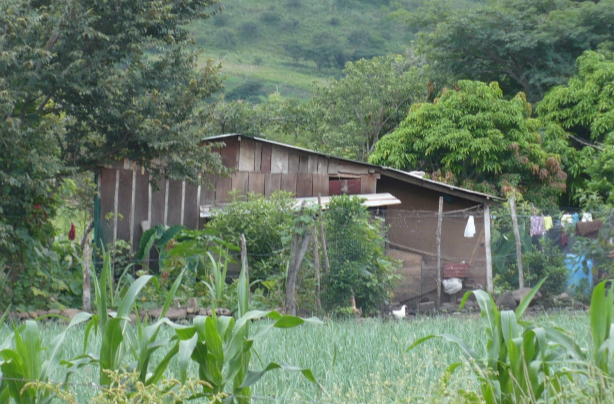
In Sacacli, there is a centrally located elementary and high school. The children either attend school in the morning or afternoon. Most of the adults in the community did not attend high school.
There is piped water in Sacacli, but there is no water treatment system, which leads to health issues.
There is a healthcare unit composed of one doctor and one nurse; the unit is open 7 days a week. There is a lack of medications due to the ever increasing population number in the community.
Malnutrition ails 90% of the community's children. The most prevalent childhood diseases are parasites, diarrhea and respiratory infections. In teens, there is little sexual education, which leads to pregnancy at early ages. In adults, the most frequent issues are hypertension and diabetes.
They do not have sewage system and more than 70% of the hygienic services constructed by the population have fallen into disrepair. Therefore, there is an increased risk for diseases such as hepatitis, cholera and diarrhea.
The primary source of income for this population is agriculture. Specifically, many work in basic grains production (beans, corn and sorgom), which is only possible twice a year. The average income for a highly productive worker is approximately $4/day.
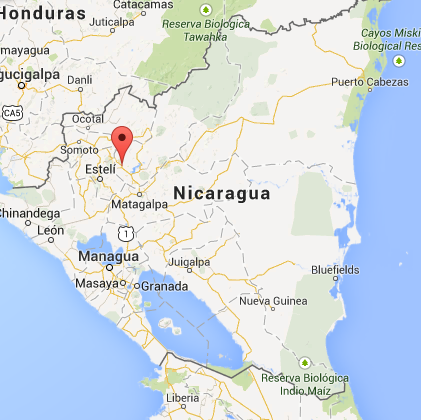
Sacacli is located 182 kilometers from the capital city, Managua and several smaller communities surround it. Approximately 92% of the population is Catholic.
Due to the geographic location of the community, there are often prologed droughts, which are very detrimental to economic/ agricultural ventures.