Santa Cruz, Namasigue, Honduras


 Click on Programs to learn more about their work in this community
General Information
| Population* | 400 |
| Number of homes | 89 |
| Avg # of people per home | 4 |
| Number and % of children under 12 | N/A |
| Primary Occupations | Agriculture and Shrimp Farming |
| Water System | Yes, Partial |
| Rural Bank | Yes |
| % of Houses with Latrines | 70% |
| Electricity | Yes |
| Corresponding Health Center and Distance | CESAMO - Santa Cruz, in community |
| Common Illnesses | Diarrhea, respiratory infections |
| School Access and Distance | Kinder - 9th grade, in community |
| Municipality | Namasigue |
| Department | Choluteca |
| Distance from compounds | 1 hour |
* Population does not reflect how many patients will be seen on medical
brigades as many people from surrounding communities come seeking
Medical Brigades medical attention.
Top Three Needs Expressed
The top three needs expressed by the key community members are water project improvements, a new latrine project, and concrete floors.
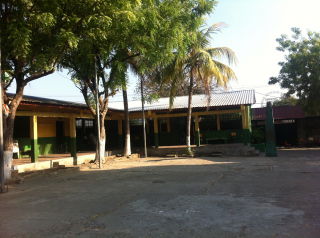
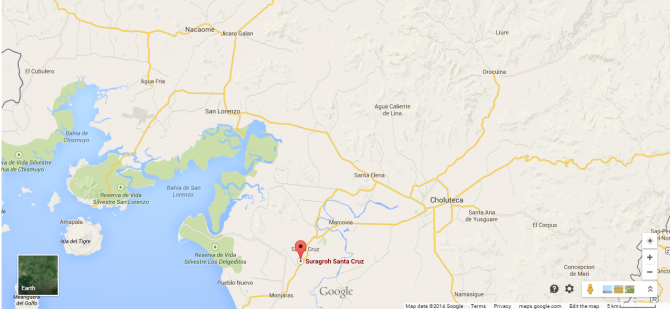
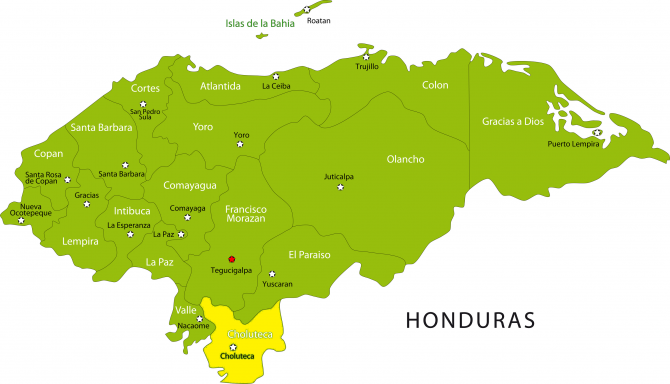
Santa Cruz Namasigue is located in the department of Choluteca near the Pacific Ocean. The location near the ocean allows for more economic opportunities. The tempature is hot and humid most of the year.
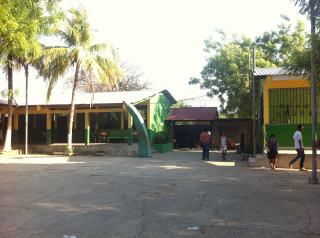
School in Santa Cruz is available through middle school, or up until 9th grade. There are 18 school rooms available and 27 teachers due to the number of communities that travel to this school for their education. There are a total of 1,000 students that attend the school, as it is the only primary school available for many surrounding communities and the only middle school available for even more communities.
This community has a well/pump water system that was constructed by Catholic Relief Services in 2001. Since its construction, the community has grown significantly, and now only about 40% of the houses in the community are connected to the system. Additionally, the quantity of the water delivered to the homes is not enough for their daily water needs. The water is chlorinated through the system. One of their main needs expressed is an improved water system.
This community has a CESAMO, or the larger of the two different types of health centers that the Honduran government provides. At the CESAMO, there are both doctors and nurses available for consult. They also ocassionally have dentists available at the health center. This health center serves not only Santa Cruz, but many other surrounding communities as well. The most common illnesses in this community are respiratory infections, diarrhea, skin infections, diabetes, and hypertension.
The main sources of income in this community are agriculture and shrimp farming. Specifically, most people work on large melon plantations nearby. The shrimp farmers also work for other owners and usually do not have their own businesses. They have access to credit through nearby urban areas and have a rural bank in the community.
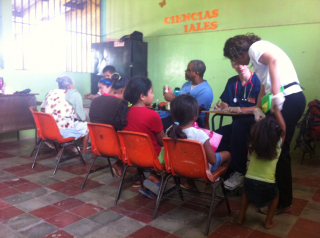
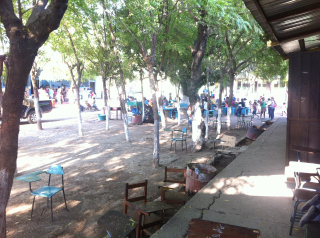
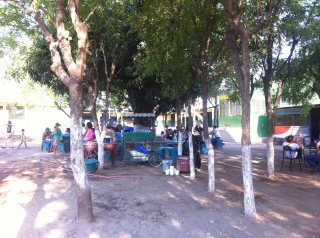
This community has ample space for brigades and also sees a very high volume of patients during brigade.
 |
 |
 |
 |