Copal Arriba, Honduras


 Click on Programs to learn more about their work in this community
General Information
| Population* | 1080 |
| Number of homes | 210 |
| Avg # of people per home | 6 |
| Primary Occupations | Agriculture |
| Water System | Yes-40% |
| Community Bank | No |
| Electricity | Yes |
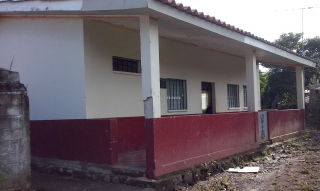
| Corresponding Health Center & Distance | In-community |
| Common Illnesses | Common cold, respiratory, diarrhea, Dengue, Chikungunya, cardiac disease, hypertension, diabetes |
| School Access and Distance |
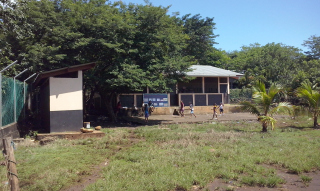
Kindergarten and Primary School - In community
|
| Municipality | Choluteca |
| Department | Choluteca |
| Distance from compounds | 45 minutes |
* Population does not reflect how many patients will be seen on medical
brigades as many people from surrounding communities come seeking
Medical Brigades medical attention.
Top Needs Expressed
Copal Arriba has identified its top three needs as:
- Healthcare
- Medication supply in the local health center
- Improvements to the current water system
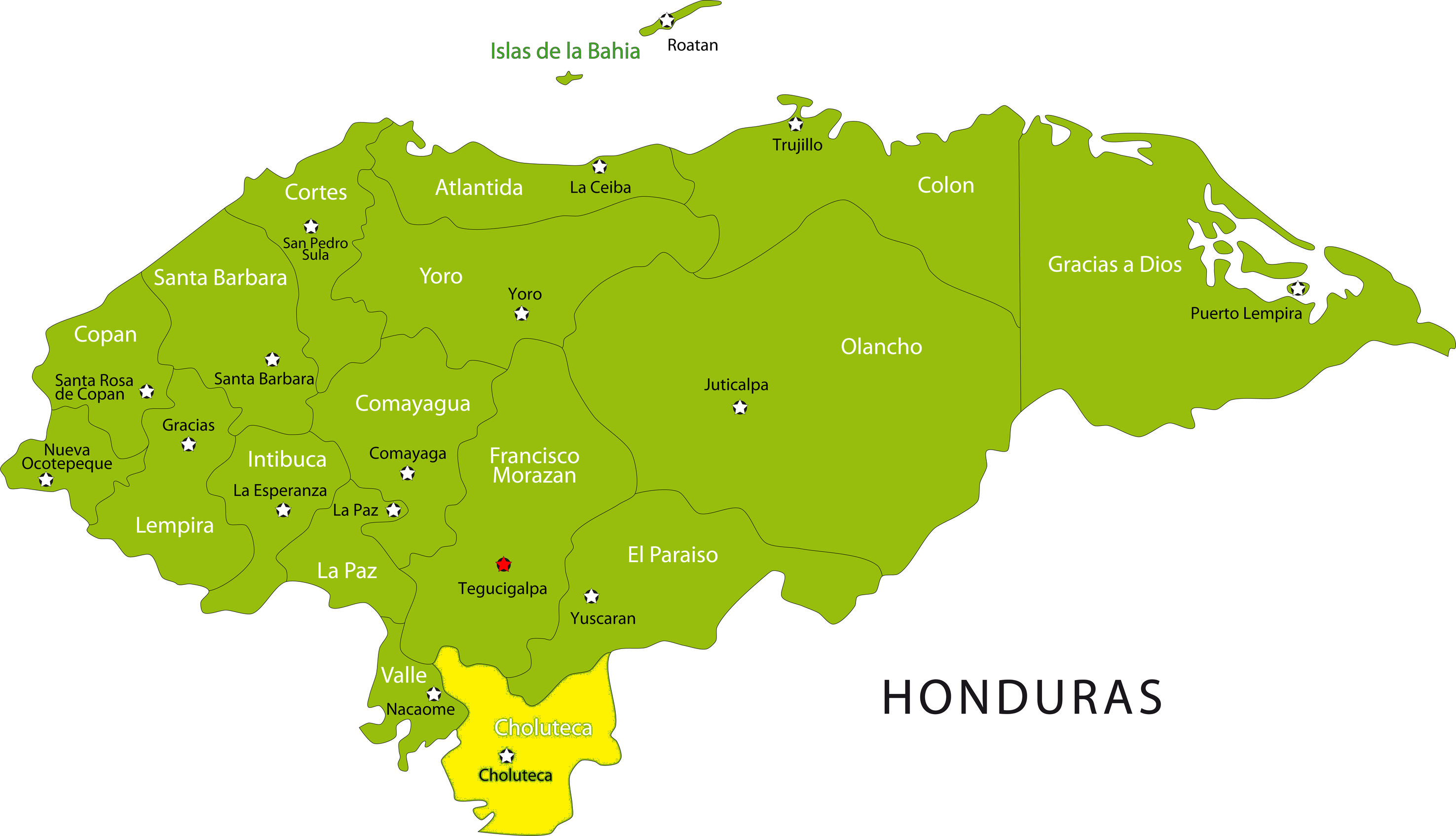
Copal Arriba is in the department of Choluteca in the south of Honduras, along the border of Nicaragua and the Pacific Ocean. This area of the country is extremely hot with temperatures often soaring to well over 100°F.
Like most other rural communities, Fray Lazaro has a kindergarten, Kinder Sonrisas Infantales, with 22 students, 1 teacher, and 1 classroom. In the elementary school, Escuela Rual Mixta Jose Cecilia del Valle, is a larger school with 146 students, 4 teachers, and 5 classrooms. Students who wish to continue their education beyond sixth grade may choose to attend a secondary school in either Choluteca or San Lorenzo.
Copal Arriba has a water system that was built in 1984 that meets the needs of 40% of the houses. The water supply is provided every 4 days not by time limit as it should be, but by the limited water that is generated. The water that is available is not chlorinated, and therefore, not safe for drinking.
Copal Arriba is a larger community and therefore has its own health center-CESAMO Copal Arriba with one permanent nurse.
As far as health infrastructure, about 60% of the households have a latrine and 90 households have a concrete floor for sanitation. There are no eco-stoves or indoor bathrooms.
Most members of the community work in agriculture with their main crop being corn. Other members of the community create artesanal products to sell.